Brass Coins, Full Lunchbox: A Calm, Cheap Tongin Market Crawl for First-Timers
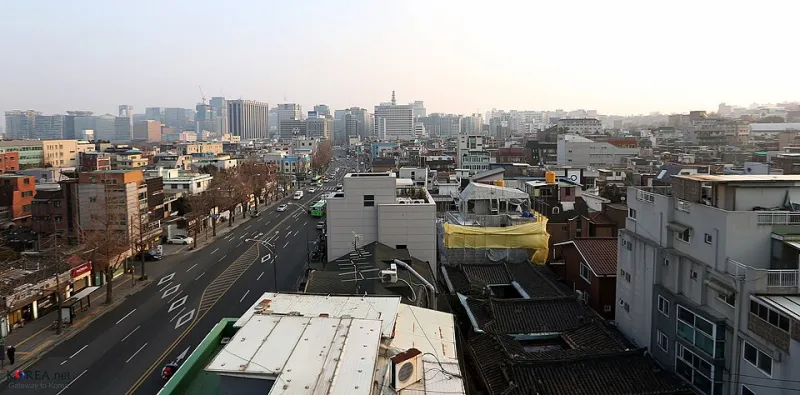
Photo: Republic of Korea from Seoul, Republic of Korea, CC BY-SA 2.0, via Wikimedia Commons
If your Seoul food list starts and ends at Gwangjang Market, you are not wrong, just queued up with everyone else. Tongin Market, a compact old-school covered market in Jongno-gu, runs on a gimmick that is actually useful: you trade cash for brass coins, grab a compartmentalized lunchbox, and point-and-pick your way through a dozen stalls. It is cheaper than a pastry-and-coffee stop in a trendy café neighborhood, calmer than the big market halls, and weirdly satisfying in the way only tiny tasks with tokens can be.
The Coin System, Minus the Confusion
At the market's lunchbox café, usually signed Dosirak Cafe, you pay for a set of brass tokens. In 2026, the standard pack is 10 coins plus a lunchbox for about 5,000 won, with extra coins sold individually. Most stalls charge one or two coins per portion. The coins only work inside the market, and you probably will not want to use them anywhere else, because they are your lunch currency.
Go early. Tongin is a neighborhood lunch spot, not a theme park. A weekday around 11 a.m. is ideal: stalls are set up, the lunch rush has not landed, and you can actually see what you are choosing. Bring small cash. The coin counter and some stalls may not love big bills, and a little patience goes further than a credit card here.
Build a Lunchbox That Is Not 90 Percent Rice
A common first-timer mistake is spending coins on the first four stalls. Walk the loop first. Note what looks good, then commit. The lunchbox has compartments for a reason, so aim for variety instead of four shades of beige.
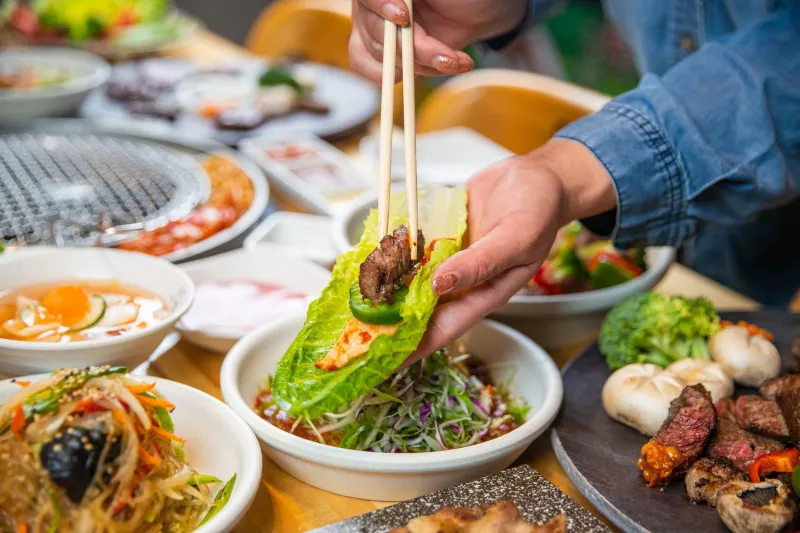
Start with tteokbokki. One or two coins gets you a scoop of chewy rice cakes in a glossy, gochujang-heavy sauce. Ask for less sauce if you are pacing yourself, because that sauce will annex everything it touches.
Next, look for grilled fish. Mackerel or croaker sizzling near the back of a stall is a strong sign. One coin usually buys a small fillet, two gets you a better portion. It is salty, smoky, and excellent with a little rice. This is the stall that makes the lunchbox feel like an actual meal instead of a snack tray.
Add japchae. The glass noodles are mild, sesame-oil glossy, and a good buffer between spicier bites. They also fill gaps in the lunchbox without overwhelming the fish or the tteokbokki.
Save coins for mini hotteok. These small sweet pancakes come with a brown sugar and nut filling that turns molten fast. Eat them while hot, preferably before you start walking, because a cooled hotteok is a sad little purse.
If you have coins left, spend them on a vegetable side, mandu, or whatever the stall owner is clearly proud of. Pointing works. Smiling works. Asking what is good in English may not, but most people will understand the universal language of a coin held toward a tray.
What Two People Should Budget
Two people can eat well on roughly 12,000 to 16,000 won total. That covers two 10-coin sets, a few extra coins, and a shared drink. In US dollars, depending on the exchange rate, that is often around $9 to $12. For context, that is less than two iced americanos and a pastry in many Seoul café neighborhoods. It is also a more interesting lunch than a convenience store sandwich, which has its place, but not today.
The Seochon Afternoon Pairing
Tongin Market sits on the edge of Seochon, one of central Seoul's most pleasant low-rise neighborhoods. After lunch, walk west into the alleys. You will find small coffee shops, independent bookstores, galleries, and enough quiet streets to make you forget you were just in a market. This is not a sprint. Pick one café, order something iced, and let lunch settle.
When you are ready, head toward the western wall of Gyeongbokgung. The palace itself requires a ticket, but the wall walk outside is free and photogenic. The stone wall, the trees, and the low-traffic streets make for an easy, slow loop. If you have energy left, continue toward Sajik Park or wander back through Seochon's side streets. The point is not to bag a checklist. The point is to let a cheap market lunch turn into an afternoon.
Practical Notes for US Travelers
Tongin Market is in Jongno-gu, about a 10-minute walk from Gyeongbokgung Station on Line 3. Follow signs for Tongin Market or Seochon. Many stalls close by early evening, so this is a lunch move, not a late dinner plan. Check current market hours before you go, especially on weekends and holidays.
You do not need a reservation. You do not need a tour. You do need small cash, a little appetite, and the willingness to look at a tray of food and point. English menus are not guaranteed, but the coin system makes ordering refreshingly simple: hold up a coin, gesture at the dish, and nod.
One more thing: do not treat Tongin like a secret. It is a real neighborhood market, not a content studio. Keep your voice down, do not block stalls for photos, and clear your lunchbox when you are done. That is the whole etiquette.
The Takeaway
Tongin Market is not trying to be Gwangjang. That is exactly why it works. Ten brass coins, a plastic lunchbox, and a slow walk through Seochon add up to one of Seoul's best low-stakes food afternoons. You eat well, you spend little, and you leave with the rare feeling that you did a market right.