Midnight Chicken, No Korean: Ordering Delivery in Seoul Without a Local Number
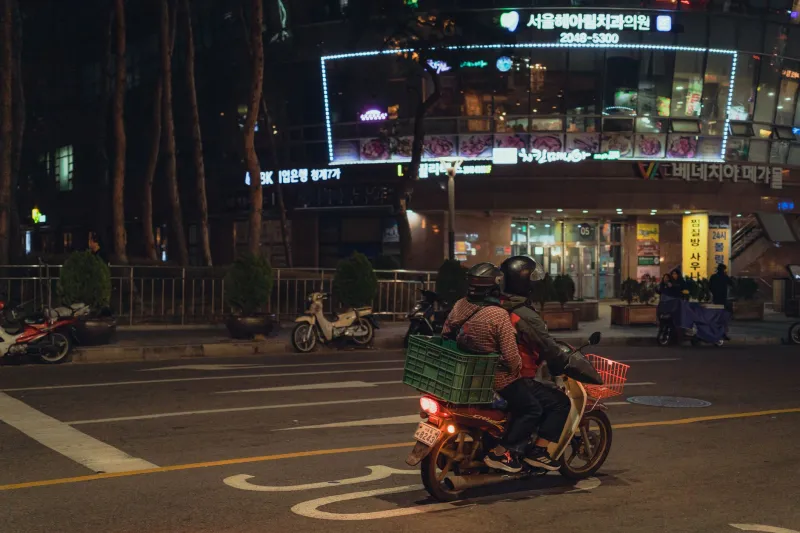
At 12:07 a.m. in Seoul, the city does not shut down; it switches to delivery mode. You are hungry, you have seen the fried chicken ads, and you do not speak Korean. The apps look like a wall of Hangul and phone verification boxes. Good news: you can still get chimaek. Bad news: you cannot always do it alone, and that is the part nobody tells you.
This guide is for the US traveler who wants late-night food without calling a restaurant or pretending to be fluent. It covers Baemin and Coupang Eats, the phone-number problem, translation workarounds, and a starter order list that will not end with you accidentally buying ten pounds of radish.
First, the phone-number reality
Korean delivery apps are built around local verification. Baemin and Coupang Eats often ask for a Korean mobile number to sign up, confirm orders, and receive rider calls. A data-only eSIM will not cut it. If you have a US number, some screens may accept it, but verification can fail, and payment can fail after that.
The cleanest legitimate fix: buy a Korean prepaid SIM or eSIM with voice and SMS at the airport or in a phone shop. A local number solves the verification box and lets the rider call you. It is not a hack; it is just the local system.
If you do not want a Korean number, use one of these workarounds:
- Ask your hotel front desk to order for you. Have the menu item and address ready. This is the most reliable option.
- Ask a Korean friend or host to place the order with their number, with permission. Do not borrow a number without asking.
- Use an English-friendly delivery service such as Shuttle Delivery, which is built for foreigners and accepts foreign cards. It has fewer late-night options than Baemin, but it works.
- Walk to a convenience store. It is not delivery, but at midnight it is a valid plan B.
Setting up Baemin and Coupang Eats
Download both apps before you fly. Set your language to English if the app offers it. Baemin has made strides in English, but menu names and reviews still lean Korean. Coupang Eats is tied to a Coupang account, so sign-up can be the first hurdle.
Add your hotel address in Korean. Ask the front desk to write it on a card, or copy it from your booking confirmation. Pin the location manually if the map looks off. Add a delivery note in Korean if you can: leave at the door, call when you arrive, no utensils. Papago can handle that.
Payment is the next wall. Some foreign Visa and Mastercard cards work; some do not. Have a backup card and a little cash. Cash on delivery is not the norm on these apps, so do not count on it.
Translation without panic
You do not need to read the whole app. You need to read the menu, the price, and the minimum order.
Use Papago's camera mode on the menu screenshot. Copy the Korean name into the search bar. Look at the photos. If the app shows a picture of fried chicken, you are probably safe.
Learn five words:
- 치킨 (chikin): fried chicken
- 떡볶이 (tteokbokki): spicy rice cakes
- 배달 (baedal): delivery
- 최소주문 (choeso jumun): minimum order
- 리뷰 (ribyu): reviews
Do not trust machine translation for spice level. If it says very spicy, believe it.
What to order at midnight
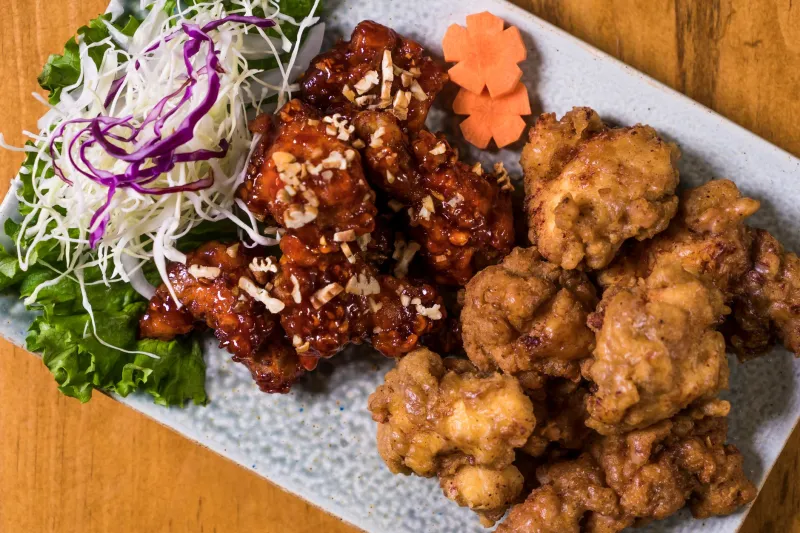
Start with half-and-half fried chicken: 후라이드 반, 양념 반 (huraideu ban, yangnyeom ban). That gets you plain and sweet-spicy in one box. Add tteokbokki if you want a carb hug. Add a bottle of soda or a beer if the app allows it. Skip the giant family set unless you are feeding a dorm.
A solid starter order:
- Half-half fried chicken
- Tteokbokki with cheese
- Pickled radish—it comes free, but confirm
- One soda
If you are in a hotel, order utensils and napkins. In Korea, delivery often includes them, but the checkbox is your friend. Have a trash bag ready. Midnight chicken has consequences.
The rider call problem
The rider may call to confirm your location. If you do not speak Korean, answer and say your hotel name slowly, or send a chat message in the app. Coupang Eats and Baemin both have chat features. Use Papago to translate: I am at the hotel entrance. I will come down. Then actually come down.
Meet the rider outside. Do not make them wander a lobby. Tipping is not expected in the same way as in the US, but a quick thank-you goes a long way.
The backup plan
If the apps defeat you, Seoul still has options. Convenience stores sell ramyeon, kimbap, and microwave meals. Many hotels have 24-hour front desks that can order for you. Shuttle Delivery is the foreigner-friendly fallback. And the fried chicken shop on the corner may take a walk-in order if you point at the menu.
The point is not to master Korean delivery in one night. The point is to get fed. Chimaek at midnight is a Seoul ritual, and rituals are supposed to be a little messy. Bring Papago, bring patience, and bring a card that works. The chicken will find you.