Bats, Beats, and Beer Kiosks: A First-Timer's Night at a Seoul Ballpark in 2026
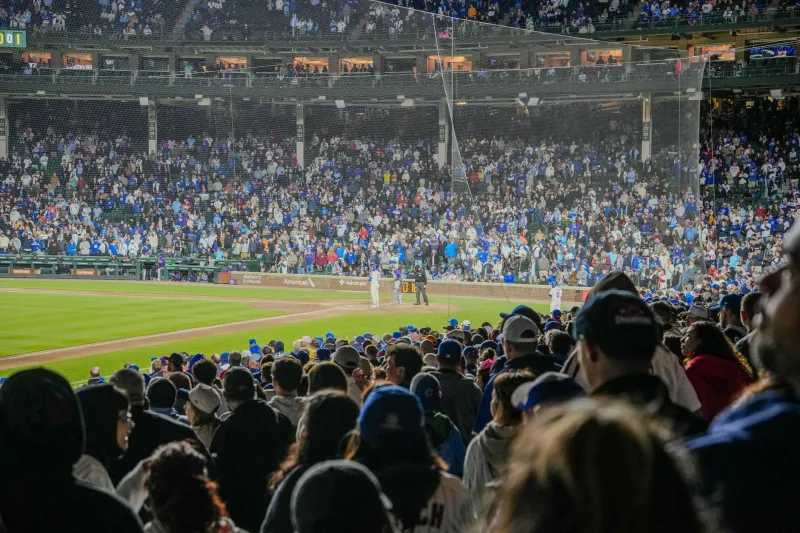
American baseball fans tend to walk into a Korean ballpark expecting a slightly quirkier version of a Tuesday night at home. What they get instead is closer to a college football student section that happens to be watching a baseball game. Thundersticks clack in unison, a drum line keeps time behind the dugouts, and every batter trots up to his own sing-along anthem. Nobody needs a jumbotron prompt to know the words.
If you're in Seoul this season, a KBO night is one of the best-value cultural experiences in the city — cheaper than a K-pop concert, louder than you'd expect, and genuinely easy to pull off once you know the mechanics.
Pick a team, then pick the right side of the stadium
Seoul has two主场 tenants at Jamsil Baseball Stadium in Songpa-gu: the LG Twins and the Doosan Bears, who share the facility and alternate home dates. Both draw loud, well-drilled crowds. For a visitor, the Twins are the friendlier entry point — their merch is everywhere, their red-and-black palette is easy to spot, and the club shop at the stadium is well stocked.
Here's the rule that saves newcomers from awkward moments: home-team fans sit on the first-base side, away fans take the third-base side. Buying a ticket in the wrong cheer block while wearing the other team's jersey is not illegal, just socially strange. Match your seat to your shirt and you'll be fine.
How to actually get tickets in 2026
Most KBO tickets move through Interpark Ticket and Ticketlink, both of which want a Korean phone number and resident registration details during checkout. This is where visiting fans stall out.
Your three realistic workarounds:
- Buy at the box office. Windows open a few hours before first pitch, and a passport plus a card gets you seats. Weekend Twins games sell out, so arrive early or aim for a weekday.
- Use a resale/experience platform. Services aimed at foreign visitors sell KBO tickets with an English interface and a markup. Convenient, occasionally pricey.
- Book through your hotel. Concierge desks in Seoul are used to this request and can often secure seats a day or two out.
Budget roughly 12,000 to 20,000 KRW for outfield and cheer-section seats, 25,000 to 40,000 KRW for infield, and up from there for table seating. That's less than a nosebleed seat at most MLB parks.
What to eat that isn't just fried chicken
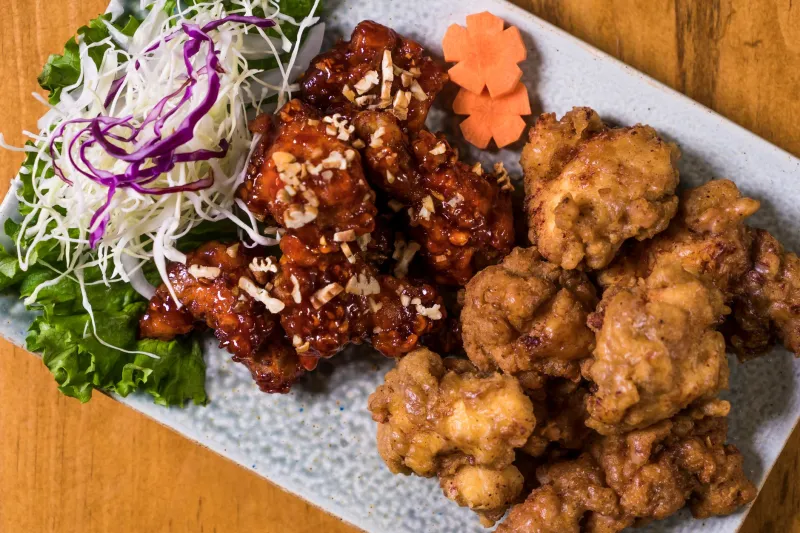
Yes, chimaek — chicken and beer — is the sacred pairing, and yes, half the stadium smells like it. But Jamsil has more going on than drumsticks.
Wander the concourse and you'll find tteokbokki in red sauce, corn dogs, gimbap rolls, jjolmyeon noodles, butter-grilled dried squid, and cup ramyeon with hot water dispensers standing by. There's a food court tucked under the stands with proper rice bowls and pork cutlets if you want an actual meal. And the convenience stores inside the gates do a roaring trade right before first pitch, so a pregame run for snacks and a cold drink is a legit strategy.
One thing Americans find wild: outside food is generally allowed. Koreans show up with whole roast chickens, fruit platters, and picnic blankets. Bring a plastic bag for your trash — the sorting bins at the exits are serious business.
Beer rules and the etiquette nobody explains
Drinking inside the stadium is legal and normal. Beer runs about 4,500 to 6,000 KRW, and self-serve kiosks have replaced a lot of the old wandering vendors. What you can't do is walk in with your own supply of alcohol — coolers and bags get checked at the gate, and outside booze generally gets turned away.
A few small things that make you look like a regular rather than a tourist:
- Don't stand on the seats, even when the cheer section erupts.
- Keep your trash with you until you hit a bin.
- Smoking is confined to a specific gate area, and it's a long walk.
- Cheer hard, but skip the personalized heckling. KBO crowds taunt in choreographed chants, not screaming matches.
Merch worth buying
Thundersticks are the great equalizer — often handed out free at the gate, sometimes a thousand won at a stall. Beyond that, replica jerseys run 100,000 to 160,000 KRW at official team shops, and the cheaper move is a cap or a cheering towel for under 30,000 KRW. Team colors matter more than brand names: red for the Twins, navy for the Bears.
The differences that will actually surprise you
- The cheering is organized. Cheerleaders stand on platforms in front of each dugout leading routines. There's no seventh-inning stretch singalong; instead, every batter has a walk-up song the whole section belts out.
- Games can end in a tie. Twelve innings and that's it. You may leave without a winner, and nobody around you will be upset about it.
- The rulebook is modern. A pitch clock and an automated strike zone have been in place for a few seasons now, so the pace is quicker than the old reputation suggests — expect roughly three hours.
- The crowd is multigenerational. Grandparents, toddlers, and twenty-somethings in matching jerseys, all doing the same hand motions.
The 2026 pick: Jamsil, on a Friday night
If you only do one game, make it Jamsil. The 1980s-era open bowl is loud, walkable from Jamsil Station on Line 2 and Line 8, and surrounded by enough bars and barbecue joints to extend the night afterward. It's also a bit of a farewell tour — plans for a domed replacement have been floating around for years, so catching a game in the old concrete bowl while it's still standing is its own small bragging right.
Gates typically open two hours before first pitch. Show up early, eat on the concourse, learn one chant, and let the drum line do the rest.