Window Seat Optional: The 2026 Rail Pass Math for a Seoul–Busan–Gyeongju–Jeonju Loop
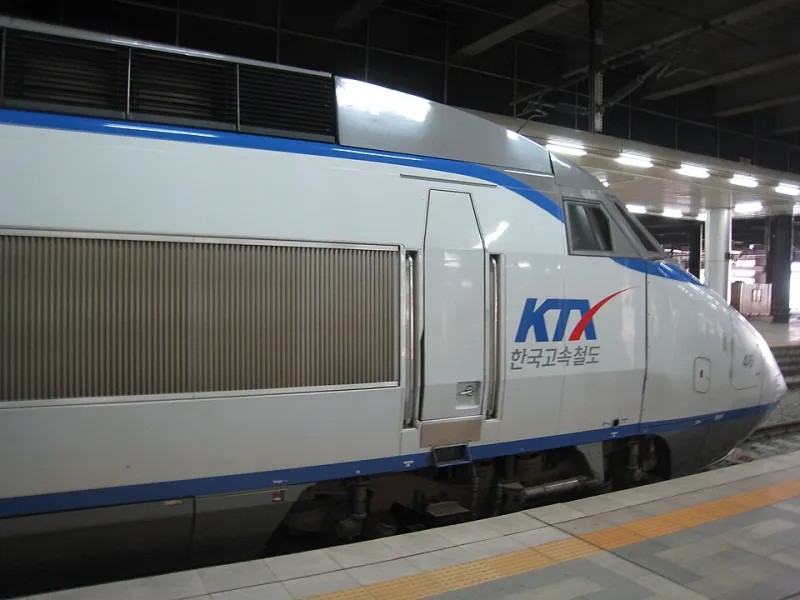
Photo: Syced, CC0, via Wikimedia Commons
Seoul to Busan is the easy part. The hard part is deciding whether to buy a Korail Pass or just book point-to-point tickets—and then actually getting a seat on the train you want. In 2026, the pass still makes sense for a certain kind of trip: multiple long hops, packed into a short window, booked early. For everyone else, it’s a bulk discount you may never eat through.
The pass is not a magic ticket
The Korail Pass—often sold as KR Pass—is a foreign-visitor rail pass. It covers Korail’s KTX, ITX, and Mugunghwa trains. It does not cover SRT trains, the subway, city buses, or the airport express. It also does not guarantee you a seat. You still need a reservation, and on busy routes that reservation is the whole ballgame.
That last point trips up a lot of first-timers. The pass gets you through the gate. The seat reservation gets you to Busan without standing in the vestibule with your luggage between your knees.
What the math actually looks like
Treat these as ballpark numbers, not gospel. A Seoul–Busan KTX seat is usually in the 60,000-won neighborhood one-way, or roughly $45. Seoul–Jeonju often runs 35,000–45,000 won. Gyeongju is the sneaky one: KTX trains arrive at Singyeongju Station, which is outside the city center, so you may end up on a shuttle or bus. Busan–Gyeongju by KTX is short and cheap, but the bus can be simpler depending on where you’re staying.
Add up a realistic loop—Seoul to Busan, Busan to Gyeongju, Gyeongju to Jeonju, Jeonju to Seoul—and a multi-day pass can start to look competitive. Add up a simple Seoul–Busan round trip and it usually doesn’t. The pass rewards movement. If you’re staying put for three days in Seoul with one day trip to Gyeongju, you’re probably buying a pass for the idea of a trip, not the trip itself.
Two routes where the pass is an easy win
The first is the full loop: Seoul → Busan → Gyeongju → Jeonju → Seoul over four or five days. That’s four long-ish legs, with Busan–Gyeongju as the short breather. You get beach time in Busan, hanok streets in Gyeongju, and bibimbap in Jeonju, and you’re not backtracking to Seoul every night. If you’re already planning that route, a 4- or 5-day pass is usually the least annoying way to pay for it.
The second is the west-to-east version: Seoul → Jeonju → Busan → Gyeongju → Seoul over four days. It’s the same idea in reverse, and it works well if you land in Seoul, want one food-heavy night in Jeonju, then swing down to Busan and Gyeongju before heading back. The pass wins here because you’re stacking long rides on consecutive days. If you spread the same route over ten days with rest days in between, the math gets mushy—and point-to-point tickets may be cheaper and more flexible.
When the pass loses
A plain Seoul–Busan round trip is the classic case. Two long KTX legs usually cost less than a pass, and you keep the freedom to change plans without watching your activation days tick away. The same goes for a Seoul–Busan trip where you take the SRT from Suseo Station. SRT is often fast and sometimes cheaper, but a Korail Pass won’t cover it. If SRT is your plan, skip the pass math entirely.
The pass also loses if you value flexibility more than savings. Pass days are a clock. If you’re the kind of traveler who wants to stay an extra night in Gyeongju because the light is good and the coffee is better, point-to-point tickets let you do that without penalty.
Seat reservations: app, kiosk, or ticket office
The Korail Talk app is in English and works well enough until it doesn’t. Foreign credit cards can be fussy, and pass reservations sometimes need a little extra patience. Station kiosks have English menus and are usually less intimidating than they look. Ticket offices are the backup plan, and staff can often sort out pass seat reservations when the app is being dramatic.
Bring your passport. You’ll need it for the pass and sometimes for ticket pickup. Seat reservations generally open about a month ahead, and peak dates go fast. If you’re traveling with a pass, reserve your seats as soon as your travel dates are locked in—not the night before, not at the station while your train is boarding.
Peak-weekend traps
In 2026, Lunar New Year falls around February 17 and Chuseok around September 25. Those weeks are not the time to wing it. Friday evening trains out of Seoul and Sunday afternoon trains back into Seoul are the classic sellouts. Cherry blossom weekends in April and summer weekends also fill up. If your first-choice train is gone, check ITX or Mugunghwa trains, or look at intercity buses. Don’t assume you can just stand—KTX seating rules are stricter than a commuter subway car, and nobody wants to find that out at the gate.
The $20 rule
Run the numbers in a spreadsheet before you buy. Add up the point-to-point fares for your actual legs, not your dream legs. Compare that to the pass price for the number of days you’ll really use. If the pass saves less than about $20, buy point-to-point tickets and keep your freedom. If it saves $50 or more, buy the pass and reserve your seats immediately. The goal isn’t to be the person who cracked the rail pass code. It’s to get to Busan with a window seat, a convenience-store coffee, and enough energy left to find dinner.